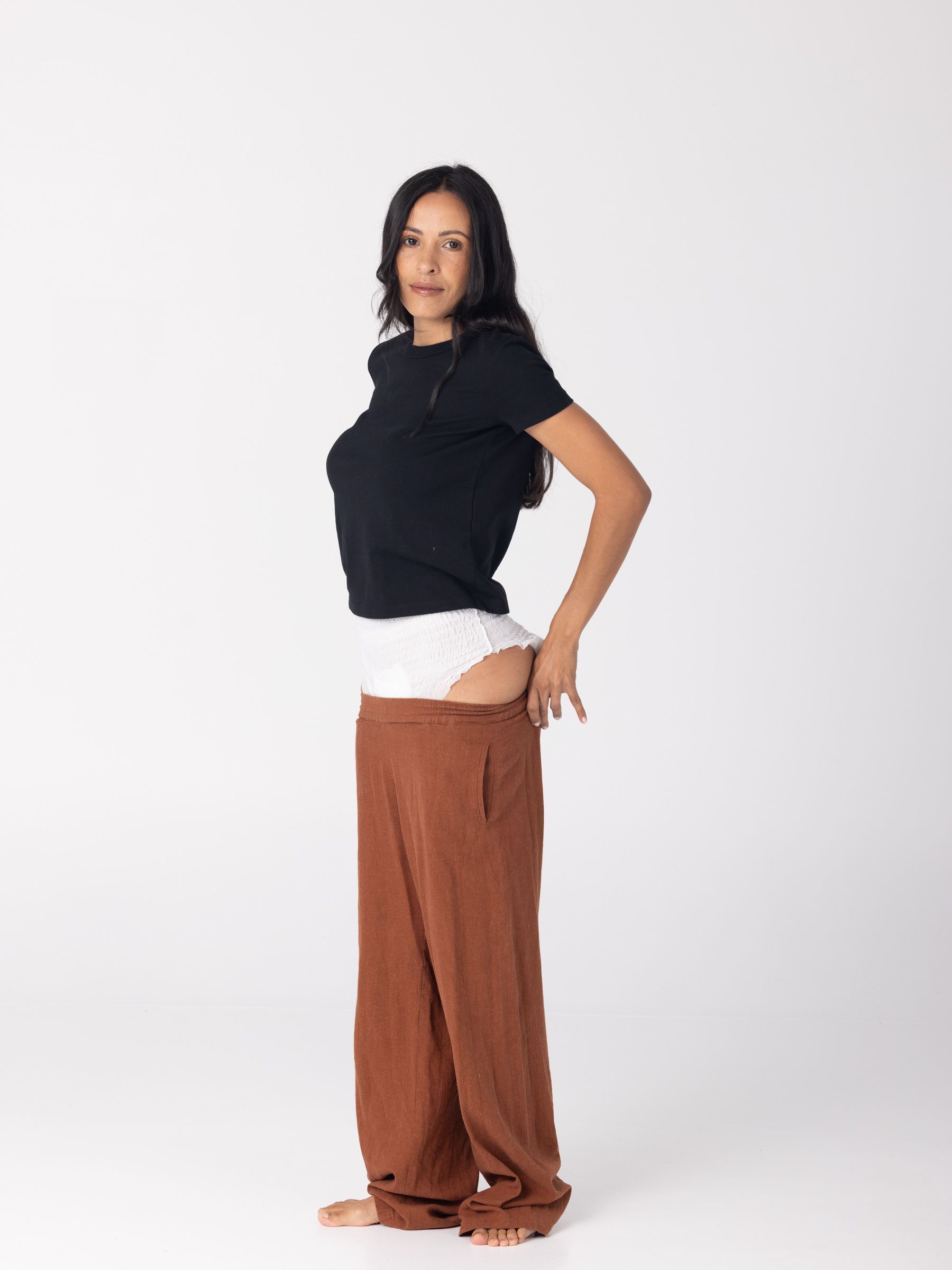
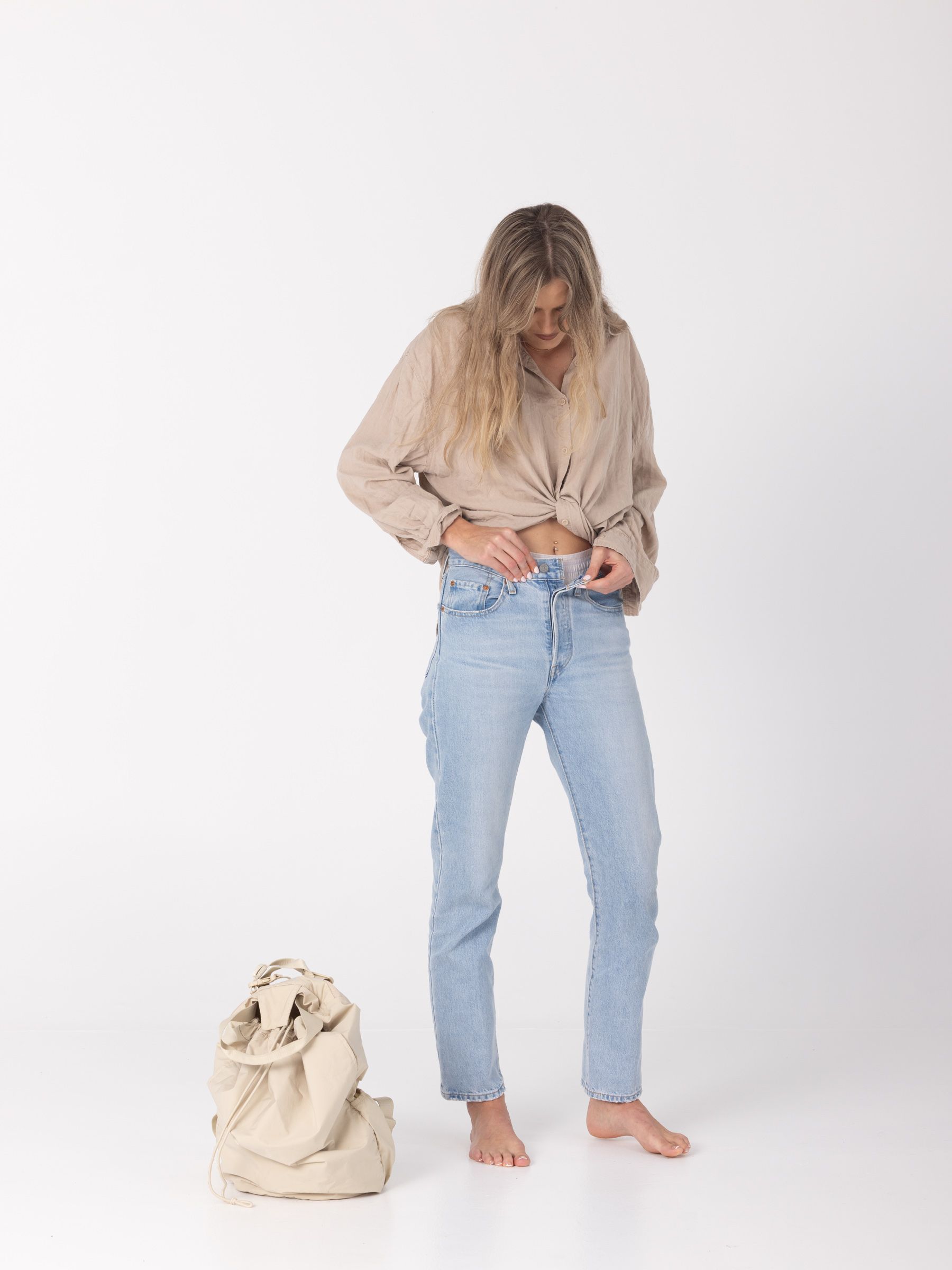
Perimenopause gets talked about in terms of hot flushes and sleep, but the bladder is part of the story too. As oestrogen drops, the tissues of the bladder and urethra change, and many women notice more urgency, more frequency, or leaks that were not there a few years ago.
Why it happens
Oestrogen helps keep the pelvic-floor and urinary tissues strong and elastic. Less of it can mean a bladder that signals sooner and a urethra that seals a little less reliably. It is a physical change, not a willpower problem - and it is very treatable.
Things worth trying
Pelvic-floor training still helps at this stage. So can reviewing caffeine and fluid timing, and - for some women - a conversation with their doctor about vaginal oestrogen, which is low-dose and works locally. Absorbent underwear sits alongside all of that as the thing that lets you carry on while you sort the rest out.
The change is quiet. Your life does not have to get quieter with it.
The bigger point
This stage is long and the bladder symptoms are real, common, and worth treating. Bring them up at your next appointment the same way you would raise sleep or mood - they belong in the conversation.
Written by
The Carry On Team
Words from the people who designed Carry On - and wore every tier before selling a single pair.